In small bathrooms, style must meet function. The core idea is to maximize space without sacrificing comfort. The right layout, fixtures, light, and storage can make a room feel larger and more organized. This guide presents practical small bathroom ideas backed by design best practices, with tips you can implement today or plan with a contractor. Rely on professional guidance to ensure electrical and plumbing work meets local codes, and choose durable materials that stand up to moisture over time.
Smart Layouts for Small Bathrooms
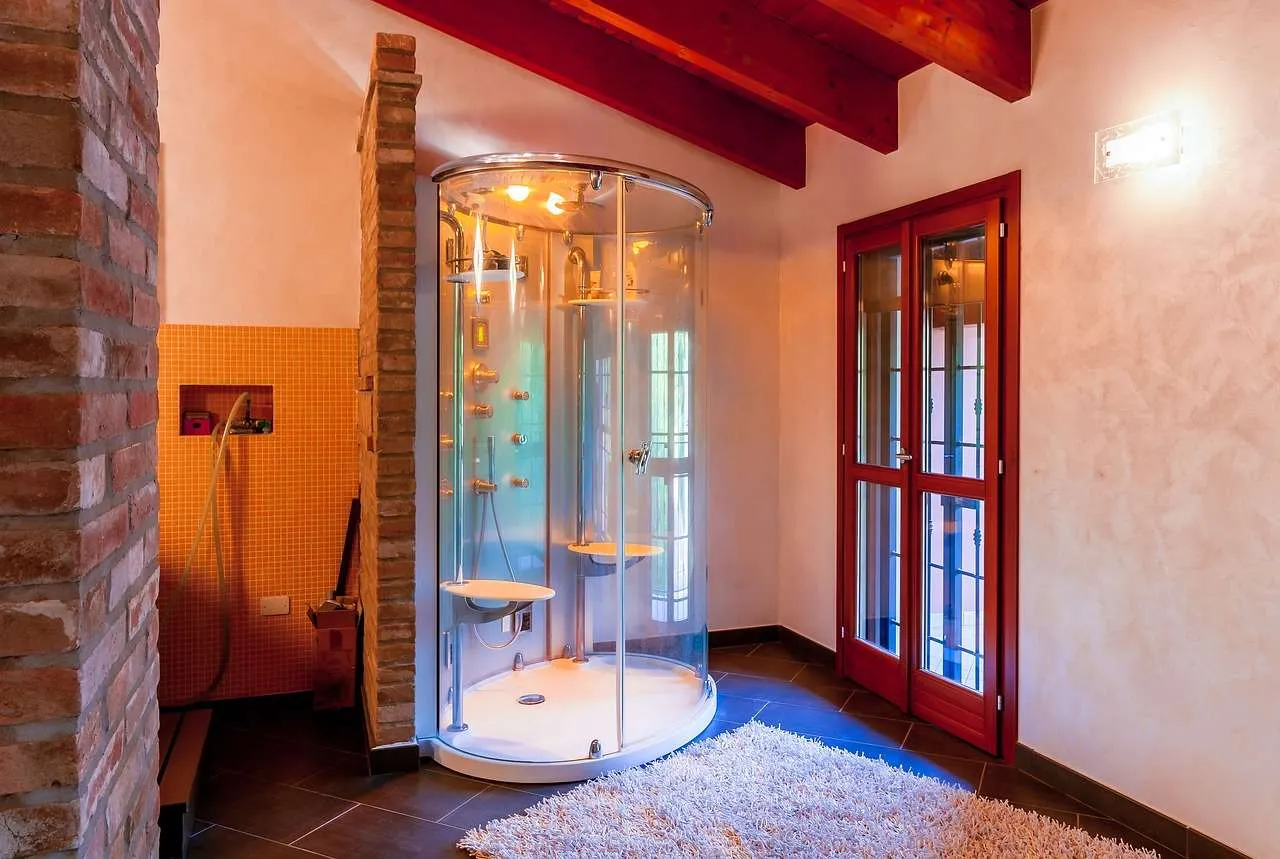
Start with a plan that prioritizes clear zones: a wet zone with the shower, toilet, and sink placed to minimize splash and traffic. A compact shower stall or corner shower can free floor space; consider a curved or sliding door to reduce doorway footprint. If possible, choose a pocket door or a barn door to reclaim hinge space and keep traffic flowing smoothly. For long narrow baths, running fixtures along a single wall can create a more open feel, while a vertical focus for storage draws the eye upward. These layout choices reflect practical design principles used by professionals to maximize perceived and actual space in tight rooms.
Planning steps
Measure precisely, draw a layout, and test sightlines with painter’s tape. Use a 3D planner or consult a designer if you are unsure. Small bathrooms benefit from fixtures that tuck into walls or corners and from avoiding bulky pieces. A well planned layout reduces clutter and improves daily usability, a key factor in EEAT when evaluating home improvement guidance.
Space Saving Fixtures and Features
Floating or wall hung vanities reveal floor and create a sense of space. Combine with a slim pedestal or wall mounted toilet to minimize bulk. A recessed shower niche keeps shampoo bottles off the floor, and a frameless glass panel prevents visual clutter rather than a full enclosure. Vertical storage, such as tall slim cabinets or open shelves above the sink, extends storage without stealing floor area. Opt for compact or dual flush toilets and water-efficient faucets to maximize practical space and reduce maintenance. These selections are favored by experienced designers for efficiency and longevity in moisture-prone environments.
Color, Lighting and Materials
Bright, reflective colors help a small bathroom feel larger. White, pale gray, or light beige walls bounce light and pair well with large format tiles that reduce grout lines. Use mirrors strategically to multiply light and depth; a mirror above the vanity or a tall mirror on the door can create an illusion of space. Choose moisture resistant materials and low maintenance finishes. For lighting, layer a ceiling light with task lighting at the vanity to eliminate shadows and brighten corners. A thoughtful lighting plan is essential for EEAT, ensuring safety and comfortable use at all hours.
Storage Solutions for Small Bathrooms
Built in niches, medicine cabinets, and recessed shelving keep essentials within reach. Over the toilet cabinetry, slim drawers, and pull out baskets reduce clutter. Use vertical space with towel bars that double as storage racks, and consider magnetic strips for metals like tweezers and scissors. Drawer organizers and transparent containers help you see items quickly. Remember to leave a few open spaces for air circulation to prevent mold. Quality storage solutions reduce stress and improve daily functioning, reinforcing trust in guidance from seasoned professionals.
Materials and Finishes for Durability
Choose durable, moisture resistant materials with easy maintenance. Sealed grout, epoxy or cementitious grout, and high quality sealants prevent water infiltration. Glass or acrylic shower enclosures resist staining and are easy to clean. For countertops and vanity tops, quartz or solid surface materials offer both resilience and a bright appearance. When possible, match fixtures and finishes across the bathroom for a cohesive, calm look. Selecting reliable, long-lasting materials is a cornerstone of robust bathroom design and supports trust in the advice provided here.
Comparison at a Glance
| Option | Pros | Cons | Ideal Space |
|---|---|---|---|
| Floating vanity | Perceived space, easy cleaning | Higher cost, limited storage | Small baths 5 to 7 ft wide |
| Wall hung toilet | Less visual bulk, easier cleaning | Requires sturdy wall support | Bathrooms with deep walls |
| Pocket door | No swing clearance, improves flow | Framing and install can be complex | Narrow doorways |
| Corner shower | Efficient footprint | Limited bathing angle | Very small baths |
In practice, combine several ideas to fit your exact space. If you are renovating, consult a licensed professional for structural or plumbing changes, and request a warranty on installed products. The best small bathroom ideas balance aesthetics with durability and ease of maintenance, delivering lasting value.
Conclusion, a well executed small bathroom idea doesn’t just look good—it performs well every day. Focused on layout, compact fixtures, bright lighting, and built in storage, you create a space that feels larger, works better, and remains easy to care for over time.
Summary: Small bathroom ideas work best when you combine layout optimization, space saving fixtures, strategic lighting, and built in storage. Prioritize plan, quality materials, and cohesive finishes to create a bathroom that feels larger, more organized, and welcoming while staying functional and durable.